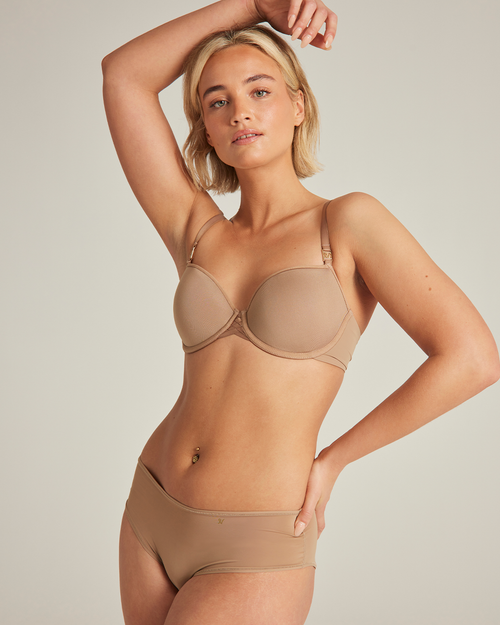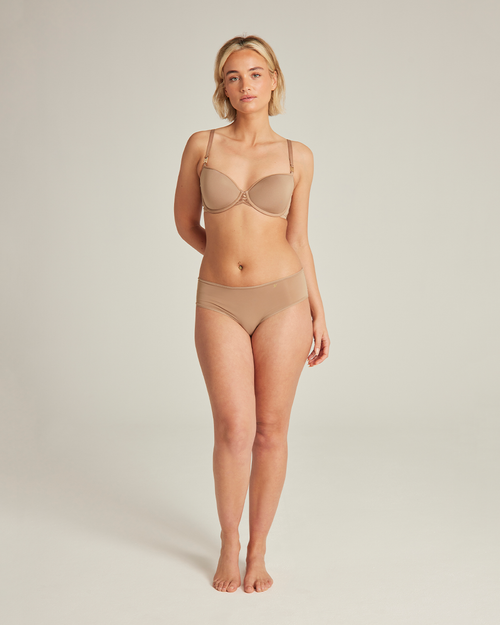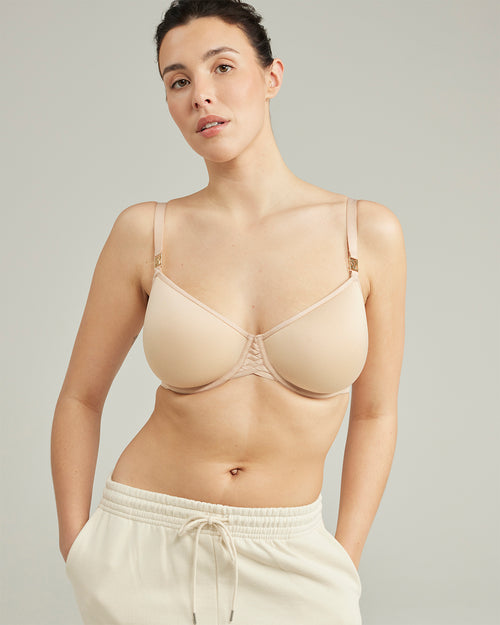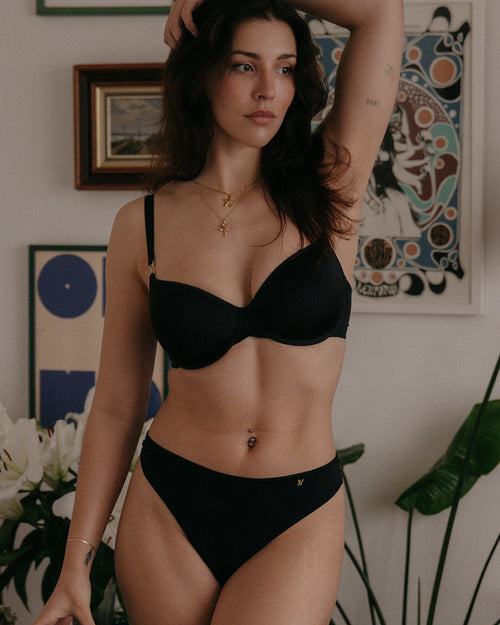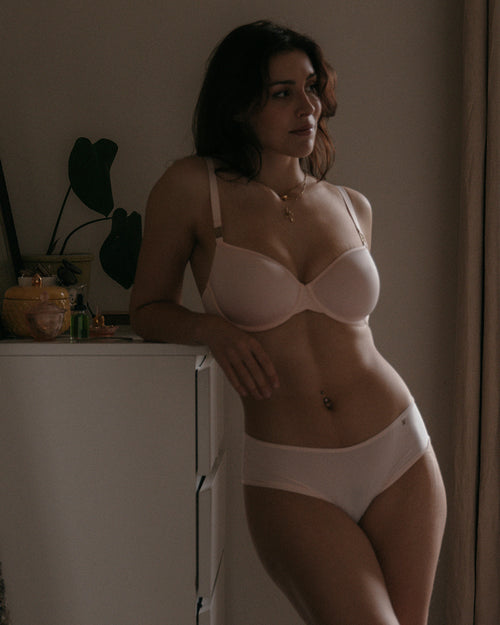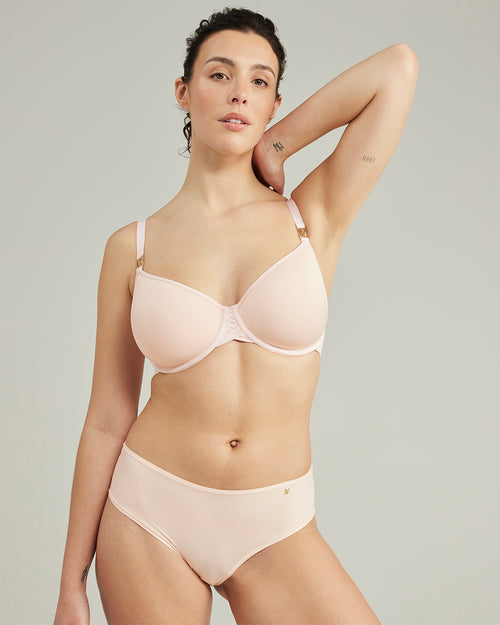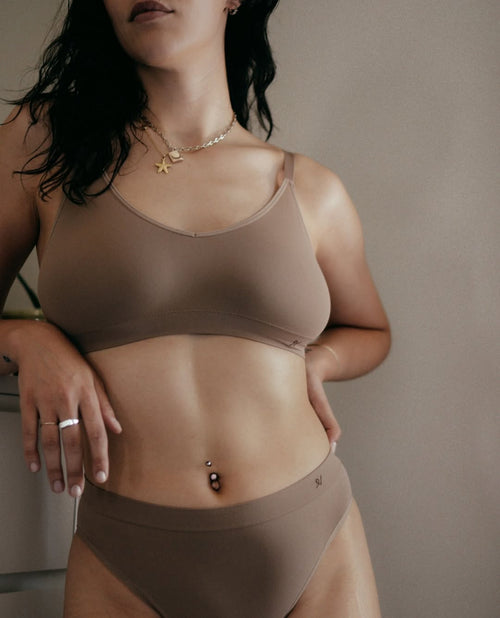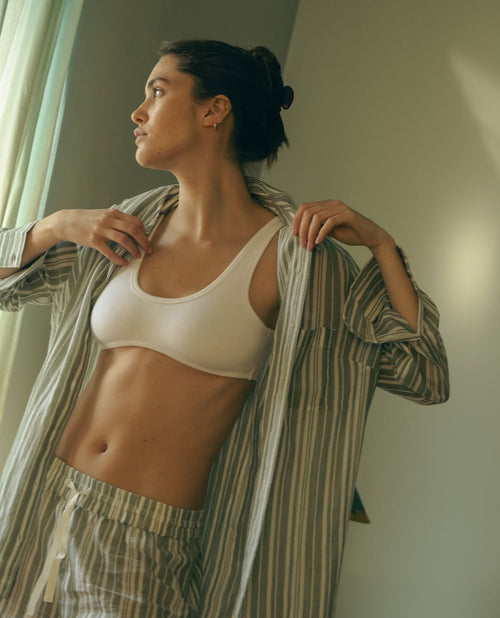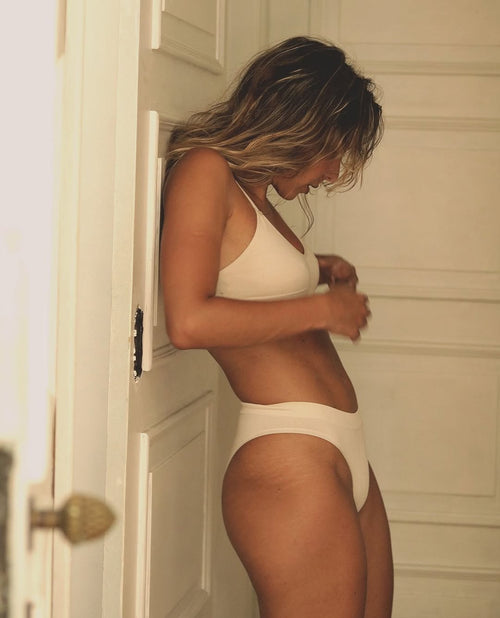





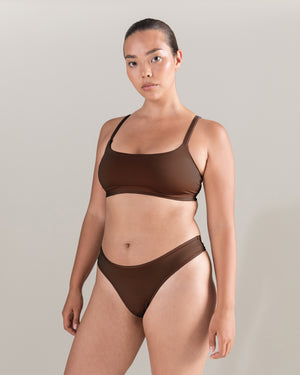
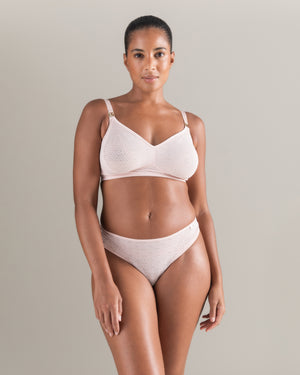


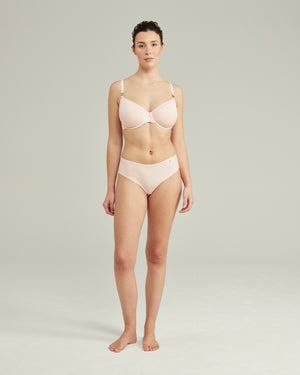

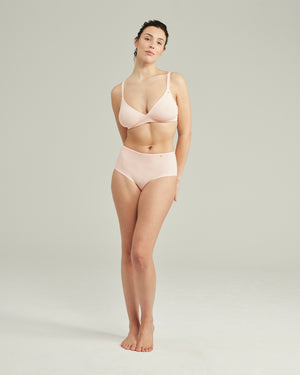
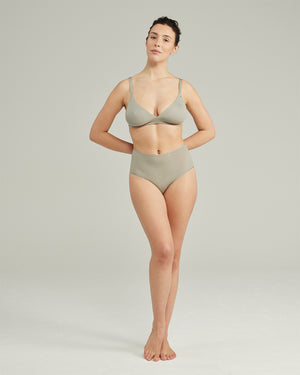


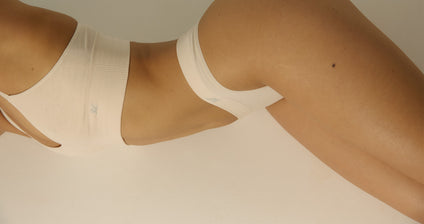

A new year often brings conversations about change - buying less, choosing better, being more intentional. But before any of that, there’s a quieter place to start: noticing what you already live in.
Not what’s saved for best.
Not what’s folded neatly and rarely worn.
But what you reach for, again and again, without thinking.

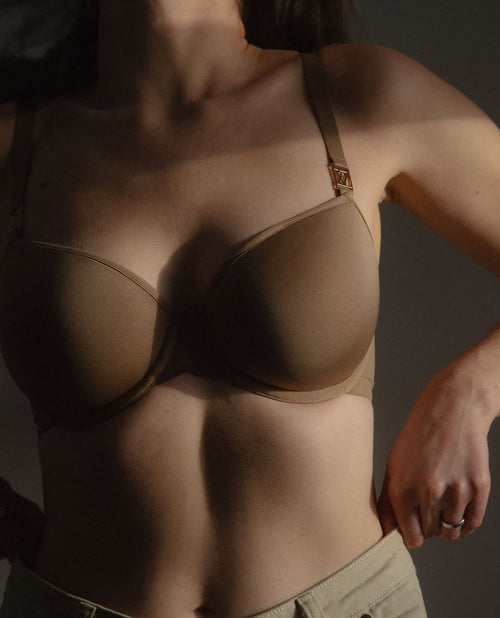
For many people, a bra is one of the most worn items in their wardrobe. Worn more often than jeans, more often than knitwear, more often than almost anything else. And yet, it’s rarely something we stop to think about.
Until you do.
You notice that it’s the same one most mornings. The one that works under most clothes. The one you trust to feel okay through a full day. The first thing you put on and the last thing you take off.
And then there’s the quiet realisation.
If you wear the same bra three or four times a week, that adds up to around 150–200 wears in a year. Suddenly, it’s no longer just an item of clothing. It’s something that plays a consistent role in your everyday life.
That number has a way of reframing things.

When something is worn that often, how it feels really matters. Not just when it’s new, but after weeks and months of wear. Not just in the mirror, but in real life - resting, moving, working, living.
This is where the idea of cost-per-wear becomes useful, not as a strict calculation, but as a way of thinking. It shifts the focus away from the initial price tag and towards the experience of wearing something over time.
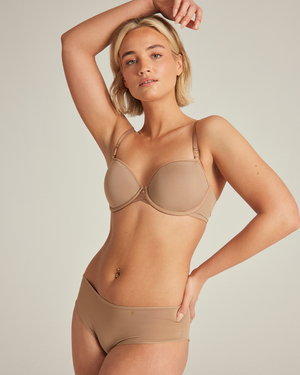
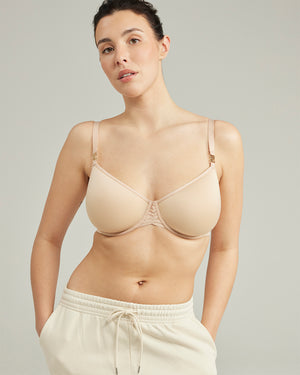
A bra worn hundreds of times should feel amazing. It should support you properly, sit comfortably, and move with you - without digging, slipping or needing constant adjustment. When a bra fits well and feels good, it fades into the background. You don’t think about it. You just get on with your day.

Thinking this way isn’t about buying more. It’s about choosing more carefully. Paying attention to the pieces that show up for you the most, and recognising their importance.
As a new year begins, thinking about cost-per-wear isn’t about calculation - it’s about care. About choosing the pieces you rely on most with thought, intention and respect for how often they’re worn.