



















A Conversation with Menopause Specialist Dr Fran.
Perimenopause can begin up to a decade before your last period, yet so much about it goes unspoken. It can show up as anxiety, restless nights or a body that suddenly feels unfamiliar, often long before we think to connect the dots.
On World Menopause Day, we sat down with menopause specialist Dr Fran to talk about the changes we don’t always see coming, the symptoms that are often overlooked and the everyday steps that can make a difference.
Because the more we understand our bodies, the better equipped we are to care for them.

What inspired you to specialise in menopause?
My interest in menopause began when I came across a training course. I was shocked by how many women struggled to access the right support, whether through healthcare or in the workplace, and how often their symptoms were misunderstood or dismissed. Women were being told they were too young for perimenopause or that their symptoms were simply anxiety. I realised there was a real gap in knowledge and support, and I wanted to help change that.
What are some of the earliest or most commonly overlooked signs of perimenopause?
Anxiety is probably one of the biggest overlooked symptoms. Many women suddenly experience anxiety when they’ve never struggled with it before. It can begin subtly, making everyday situations feel more overwhelming than they used to.For example, some women develop anxiety around driving, particularly at night, despite having always been confident drivers. Mood changes are another common symptom. Women may feel more emotional, irritable or angry, sometimes without understanding why. Anger is particularly interesting because it’s an emotion women often feel ashamed of expressing. They might find themselves reacting more strongly than usual and then feeling guilty afterwards. These changes can be linked to fluctuating oestrogen levels during perimenopause.
How long does perimenopause typically last, and what can women expect?
One of the biggest misconceptions is that menopause happens suddenly. Menopause is defined as the point in time 12 consecutive months after your final period, while perimenopause is the transition leading up to it, when hormone levels fluctuate and symptoms begin to appear.
The average age of menopause in the UK is 51, but symptoms can begin up to 10 years beforehand. That means women may start experiencing perimenopause in their early forties, sometimes even earlier. The duration varies enormously. For some women, the transition lasts only a few years; for others, it can last considerably longer. Research also suggests that there are racial differences in this timing, with some groups experiencing a longer and more symptom-heavy perimenopause than others.
Why can women suddenly experience anxiety, irritability or brain fog?
During perimenopause, oestrogen levels can fluctuate dramatically. Oestrogen and progesterone influence brain chemicals such as serotonin and dopamine, which play important roles in mood, concentration and attention.
These hormonal changes can leave women feeling unlike themselves. One day, you might feel completely fine; the next, anxious or overwhelmed. Disrupted sleep can make these symptoms even harder to manage, affecting everything from concentration to emotional well-being. Understanding that hormonal changes may be contributing to these feelings can help women recognise what’s happening and seek appropriate support.
Sleep is something so many women struggle with during perimenopause. Why does it become so disrupted, and what can help?
Sleep disturbances are incredibly common during perimenopause. Hot flushes and night sweats can interrupt sleep, but they’re not the only causes. Some women experience joint discomfort, urinary symptoms or an overactive mind that makes switching off difficult. Others find themselves waking at three in the morning, completely alert and unable to fall back asleep. There are several simple things that can help improve sleep.
Start with morning daylight. Exposure to natural light in the morning helps regulate the body’s internal clock, making it easier to establish a healthy sleep routine.
Keep a consistent bedtime. Going to bed and waking up at similar times each day can support better sleep.
Create a calming evening routine. Avoiding screens before bed, listening to relaxing music, practising breathing exercises or doing some gentle stretching can help your mind unwind.
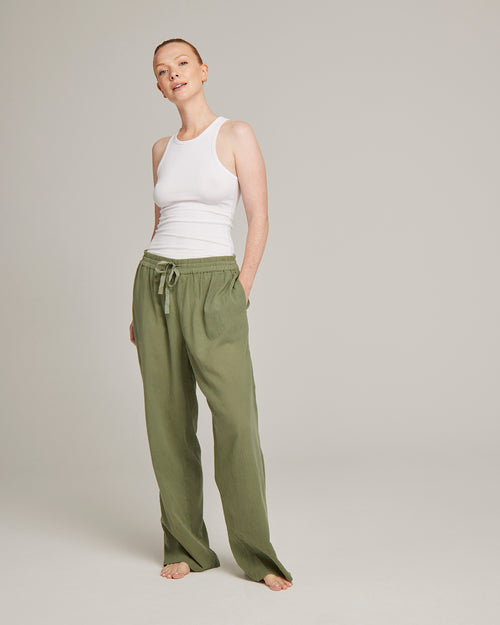
Choose breathable fabrics. Natural materials such as cotton can help you feel more comfortable at night, particularly if you’re experiencing night sweats.
For women struggling with persistent insomnia, cognitive behavioural therapy for insomnia (CBT-I) can also be an effective treatment.

How can hormonal changes affect our breasts, skin and overall body comfort?
Hormonal changes can affect our bodies in ways we might not immediately associate with perimenopause. Fluctuating oestrogen levels can cause breast tenderness, while declining hormone levels may contribute to dry, itchy skin. Some women also notice that existing skin conditions, such as eczema or acne, become worse. Another important but often overlooked symptom is vaginal dryness and discomfort. These changes can cause irritation, affect everyday comfort and sometimes contribute to urinary symptoms.
There are treatments available, including non-hormonal vaginal moisturisers and local vaginal oestrogen, which can help relieve symptoms. It’s something we need to feel more comfortable discussing, because women shouldn’t have to silently put up with discomfort.

What everyday lifestyle changes can make a meaningful difference during perimenopause?
I always come back to the importance of looking after the foundations of our health.
Sleep is key. When you’re sleeping better, it can positively influence your mood, energy and overall well-being.
Movement is another important factor. Even a five-minute walk or a little stretching can make a difference.
Strength training is particularly valuable as we get older because it helps maintain muscle mass and support bone health.
Nutrition also plays a significant role. Eating enough protein, incorporating a variety of whole foods and keeping blood sugar levels relatively stable can help support energy throughout the day.
It’s also worth considering how caffeine and alcohol affect your sleep and symptoms.
And perhaps most importantly, find ways to manage stress.
Whether that’s yoga, mindfulness, spending time outdoors or simply having a good laugh with friends, making space for the things that help you feel good really matters.
When should women seek medical advice, and what should they know about treatments such as HRT?
My advice would always be to seek support early. Too many women wait until their symptoms become overwhelming before speaking to a healthcare professional. If you’re noticing changes that are affecting your everyday life, it’s worth having that conversation sooner rather than later. Hormone replacement therapy (HRT) is very effective for managing menopausal symptoms, and for the majority of women the benefits outweigh the risks. However, there are also non-hormonal treatments available for women who cannot take HRT or choose not to. There isn’t a one-size-fits-all approach to menopause care.
Finally, what’s the one thing you wish more women understood about perimenopause?
Put yourself first.
As women, we’re so often looking after everyone else that our own needs end up at the bottom of the list. We skip the exercise class, cancel the walk or put off doing something for ourselves because someone else needs us. But looking after yourself isn’t selfish. There’s a phrase I often come back to:
“You can’t pour from an empty cup.”
It’s such a simple reminder, but an important one. Taking time for yourself, whether that’s 15 minutes with a book, an exercise class or a moment of peace, isn’t something you need to feel guilty about. In some ways, perimenopause can be a wake-up call to start prioritising your own well-being.
Because when you take care of yourself, you’re in a much better position to care for the people around you.
Every woman’s experience of perimenopause is different, and the right support can help you feel more like yourself again. To learn more about Dr Fran’s menopause clinic or to book a consultation, visit her website.
Disclaimer: Information provided here is educational and not a substitute for personalised medical advice. Please consult a healthcare professional for guidance specific to your health.